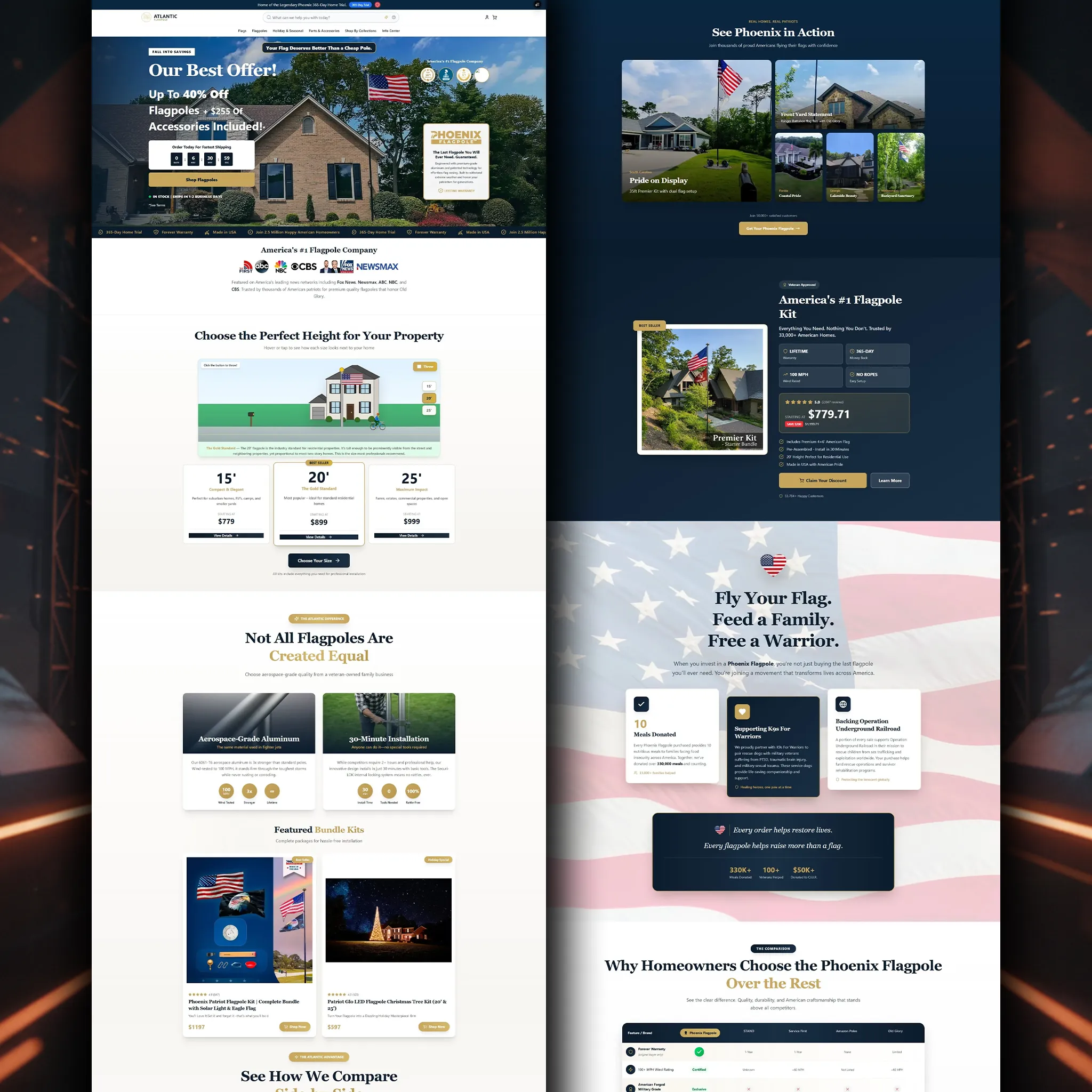


For years, "clean and simple" was the gold standard. But as screens improve and bandwidth increases, users are craving more, they want digital experiences that feel alive.
The Return of Depth
We are moving beyond flat design into Immersive Realism. Using glassmorphism, complex gradients, and Three.js-powered 3D assets, we create sites that stick in the user's memory long after they close the tab.
01. Motion with Meaning
In 2026, animation is no longer just eye candy, it's a critical navigation tool. Subtle micro-interactions provide the feedback users need to feel in control. Whether it's a smooth transition between pages or a card that reacts to hover, these details separate "websites" from "digital experiences." The key is restraint: motion should guide, not distract.
The best immersive sites use animation to tell a story. As the user scrolls, elements emerge, data populates, and the narrative unfolds. This keeps visitors engaged for longer, and longer time-on-page is one of Google's strongest ranking signals.
Subtle visual feedback on every button press, form field, and CTA. Users feel in control. Completion rates go up. Bounce rates go down.
Content that fades, rises, or scales into view as users scroll keeps their attention moving forward through your page instead of bouncing out.
Layered Z-axis layouts create a sense of tactile depth. Cards that feel like they're floating. Shadows that respond to cursor position.
Custom cursors, magnetic hover effects, and spotlight gradients make the experience feel premium and handcrafted, impossible to replicate with a template.
02. 3D Web and Interactive Realism
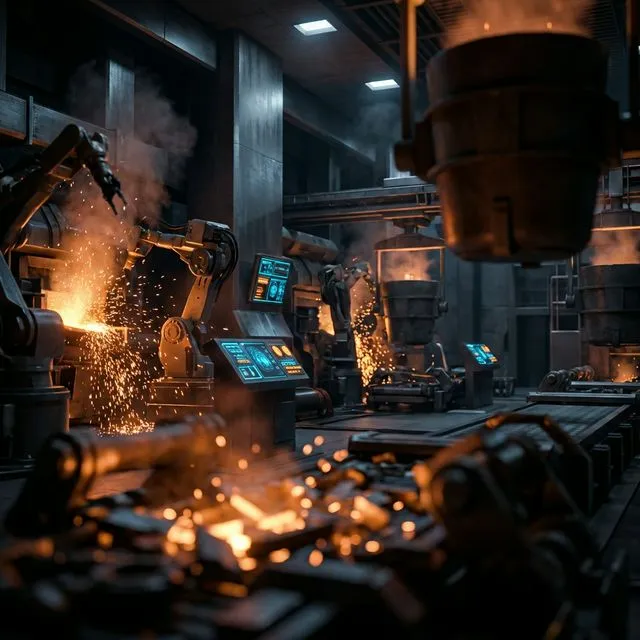
With the maturity of WebGL and libraries like React Three Fiber, we can now render cinema-quality 3D assets directly in the browser with no app download required. This allows for interactive product configurators, virtual showrooms, and data visualizations users can actually rotate and explore.
Done right, 3D elements don't hurt performance, they enhance it. We load 3D assets asynchronously, compress geometry aggressively, and use Level of Detail (LOD) techniques to keep load times under 2 seconds even on mobile.
03. Performance is Non-Negotiable
The common objection to immersive design is speed. Valid concern, a slow immersive site is worse than a fast minimal one. Our approach is performance-first immersion: every visual effect is tested against Core Web Vitals before shipping. We use Intersection Observer APIs instead of scroll listeners, GPU-accelerated CSS transforms instead of JS animations, and lazy-load all media.
Ready to go beyond the template?
Custom immersive builds from the W7 design lab.
What clients say
“He stepped in and quite literally saved us during a significant administrative shift within our organization. He has the quickest turn-around on projects and response to inquiries of anyone we have ever worked with, and his design work? Beautiful!”
“Jesse is truly the best — sharp, dependable, and a pleasure to work with. He built BBQ King's website and knocked it out of the park. We're thankful to have him as a partner for whatever tech comes next.”
“Waldo7Labs completely transformed our online presence. The new website is stunning and has made managing our program so much easier. They understood exactly what we needed and delivered beyond expectations.”