


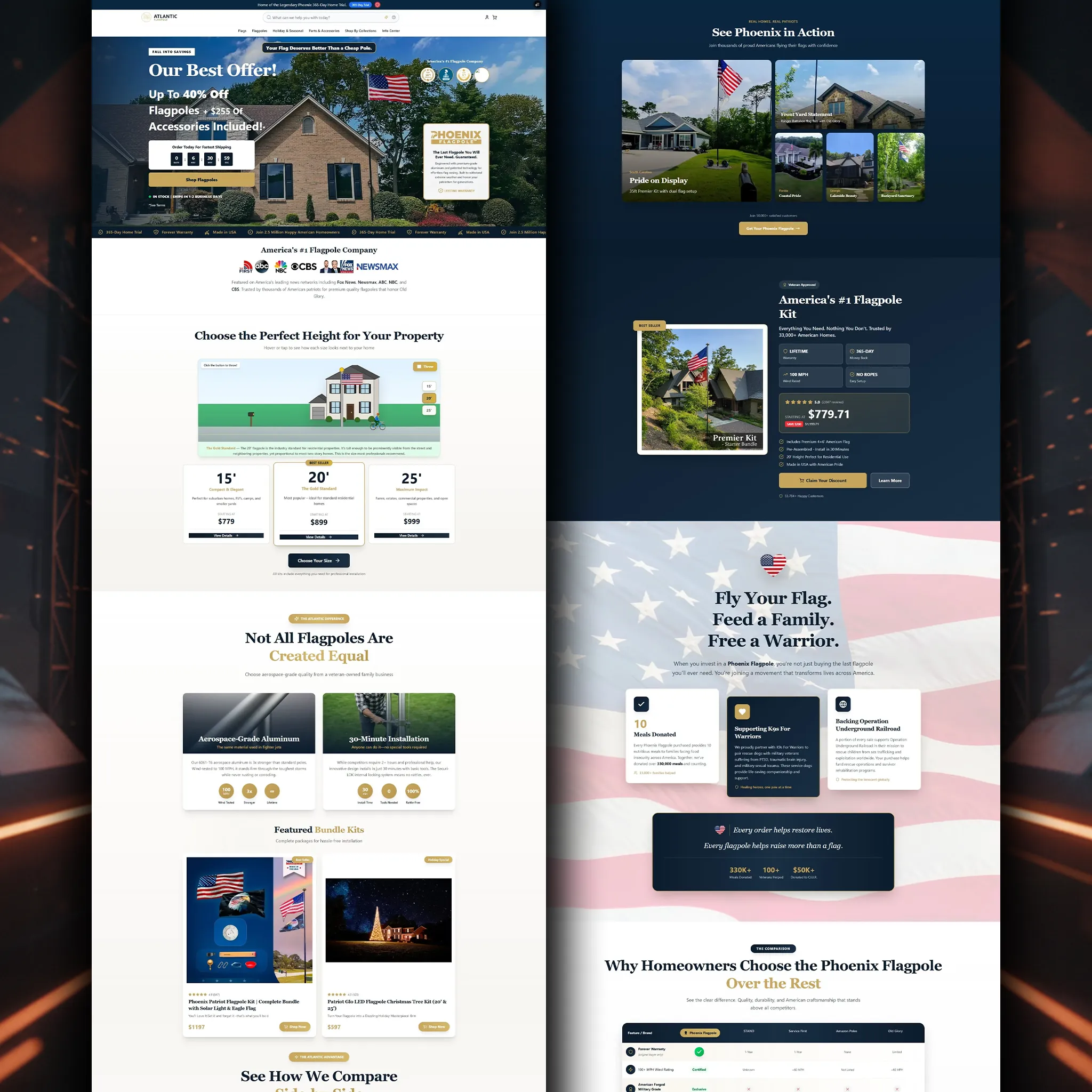
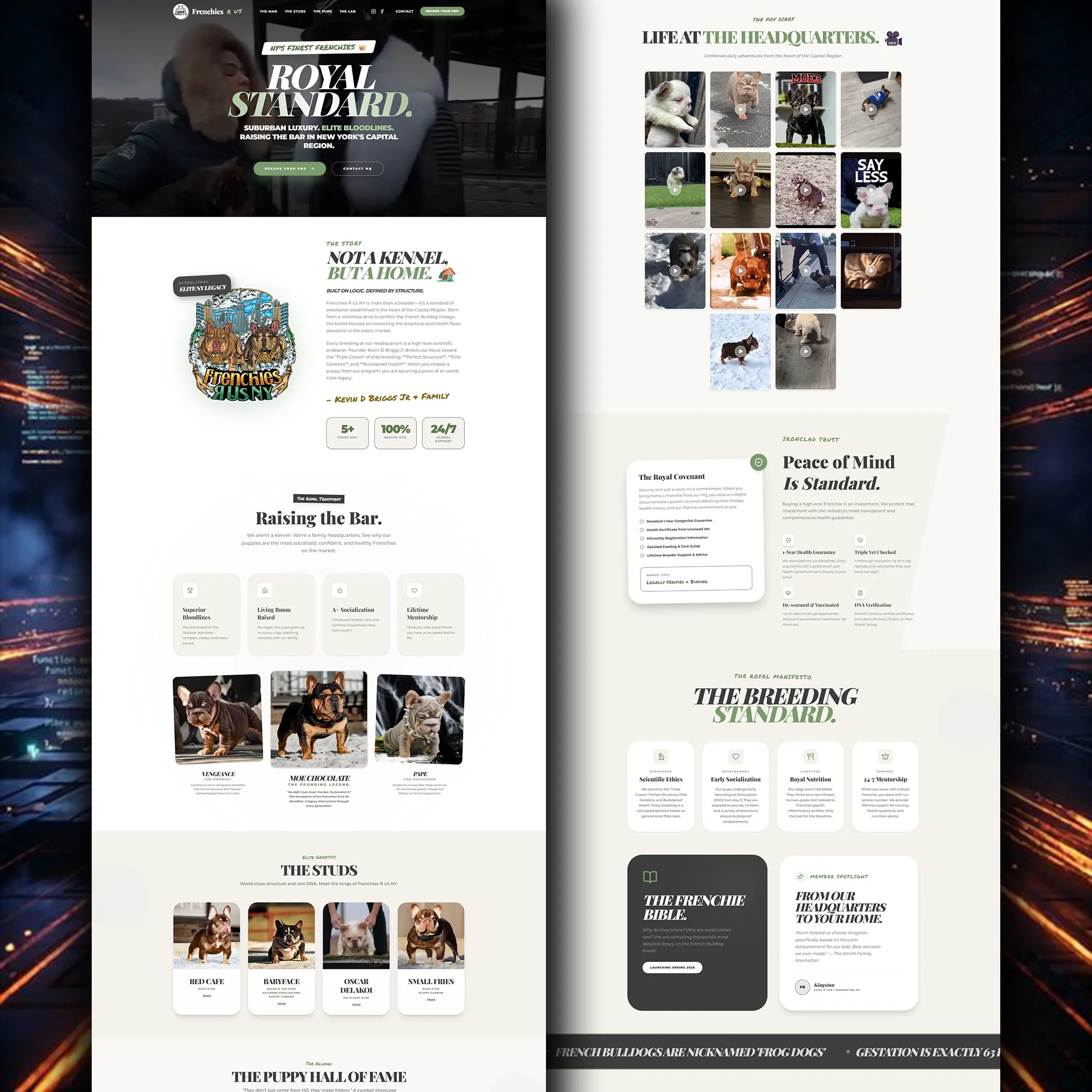
After years of dark themes, soft gradients, and glassmorphism blur effects, the web is swinging back toward clarity. High-contrast white cards, thick black borders, and brutalist typography are cutting through the visual noise, and they're converting better.
01. The Psychology of Contrast
The human brain processes edges and boundaries before it processes content. High-contrast interfaces, white background, black text, solid borders, give the brain clear visual anchors. The eye knows exactly where to go. There's no ambiguity about what's a button, what's a card, what's a headline.
Dark mode designs often suffer from low contrast ratios that hurt readability, especially on OLED screens in bright environments. A white UI at 100 nits reads clearly in sunlight. A dark UI at the same brightness becomes nearly invisible. For a service business website where the customer might be looking you up from their car, that matters.
02. Neubrutalism, Not Just an Aesthetic Trend
The neubrutalist design movement uses thick black borders, solid drop shadows (offset 4-8px, no blur), stark white surfaces, and chunky typography. It looks bold and physical, like something you could pick up. This tactility is psychological: it makes interactive elements feel more "real" and clickable.
When a button has a thick black border and a solid shadow, it looks like a button. It doesn't look like a div with a background color. Users know it's clickable without having to think about it. That reduction in cognitive friction directly improves conversion rates.
This is a Neubrutalist Card
Thick borders. Solid offset shadow. White background. No ambiguity about what it is or where its edges are. Your eye locked on it before you even started reading this sentence.
03. The Accessibility Argument
WCAG AA accessibility standards require a contrast ratio of at least 4.5:1 for body text. Black text on white achieves 21:1, the maximum possible. Many dark mode designs with gray-on-dark color schemes fail AA standards, making them harder to read for users with visual impairments and increasing bounce rates from that demographic.
High-contrast white UI isn't just trendy, it's the most accessible choice. And accessibility is an SEO signal: Google uses page experience metrics that include accessibility in its ranking algorithm.
04. When Dark Mode Still Wins
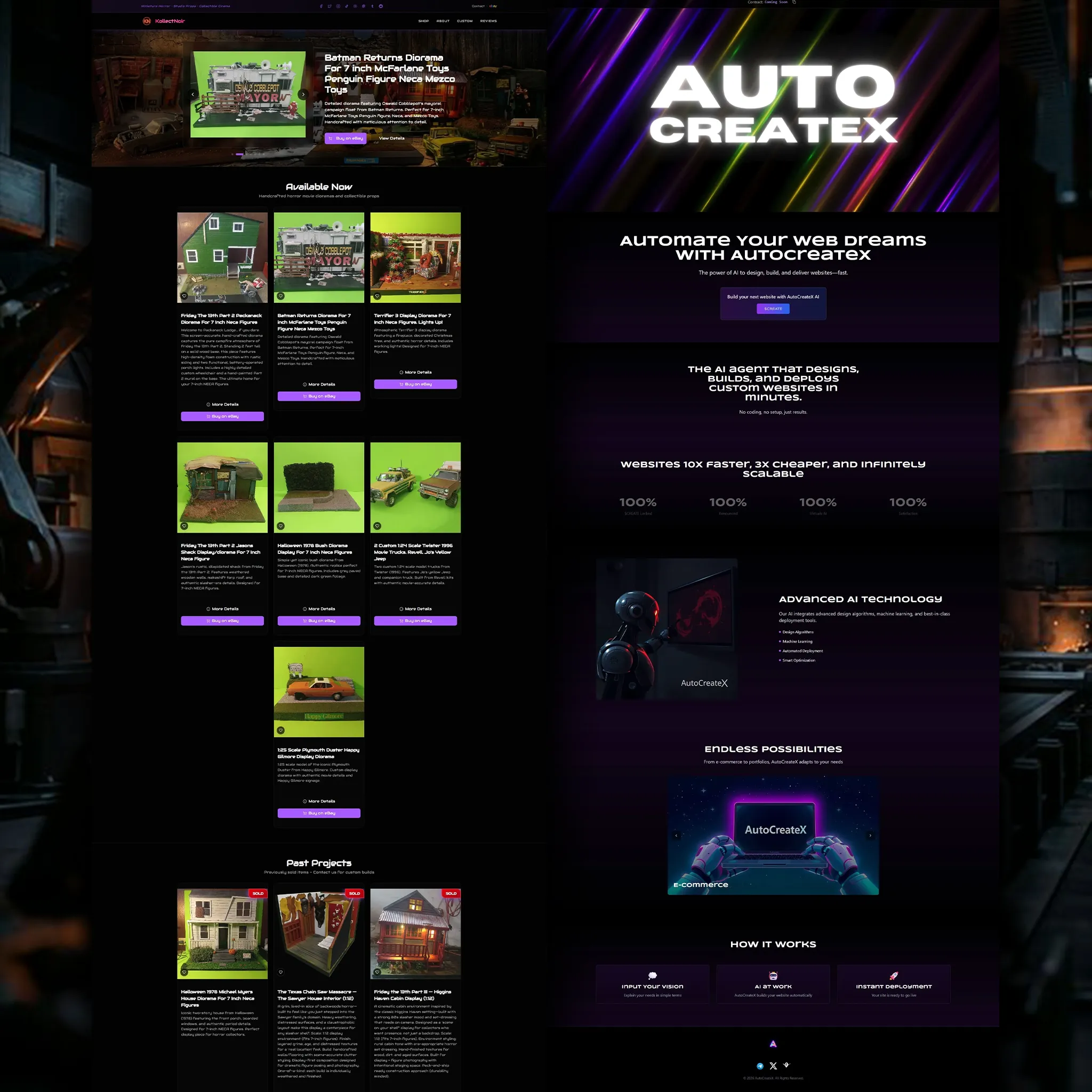
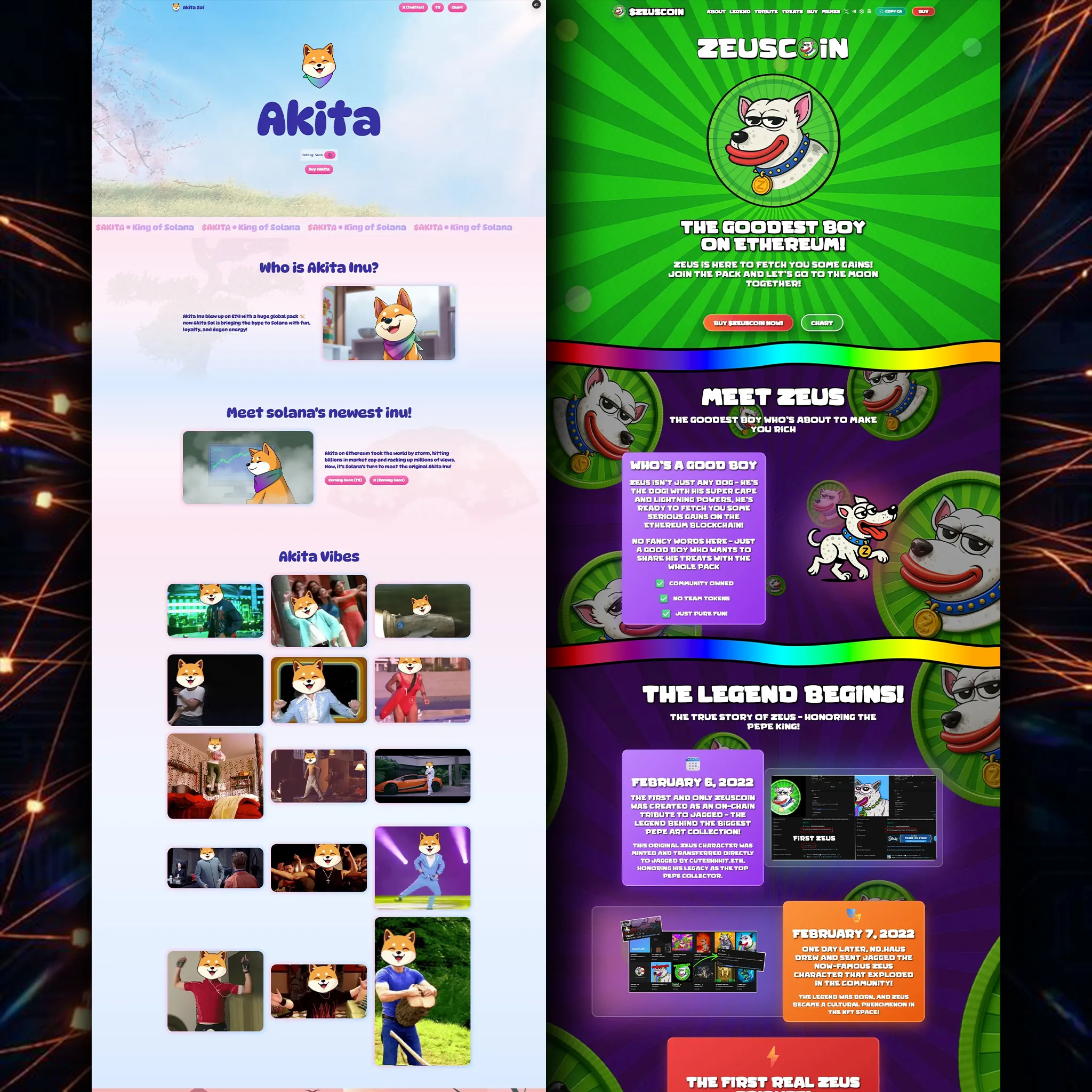
Dark mode isn't dead, it's just better used in specific contexts. Developer tools, creative portfolio sites, entertainment platforms, and tech brands often benefit from dark interfaces because the aesthetic matches the brand identity. The mistake is defaulting to dark because it "looks cool" on a service business website where clarity is the #1 priority.
At Waldo7Labs, we choose the design direction that best serves the business goal, not what's fashionable. Many of our builds are high-contrast white. Some are dark and bold. All of them are intentional.
See what we'd build for your business.
Free consultation. No obligation.
What clients say
“He stepped in and quite literally saved us during a significant administrative shift within our organization. He has the quickest turn-around on projects and response to inquiries of anyone we have ever worked with, and his design work? Beautiful!”
“Jesse is truly the best — sharp, dependable, and a pleasure to work with. He built BBQ King's website and knocked it out of the park. We're thankful to have him as a partner for whatever tech comes next.”
“Waldo7Labs completely transformed our online presence. The new website is stunning and has made managing our program so much easier. They understood exactly what we needed and delivered beyond expectations.”