If you run a service business in Lincoln or Gaston County, the three businesses in the Google map pack get most of the calls. Someone searching "plumber near me" from a phone in Denver or Stanley is not doing research. They have a problem right now, and they are going to call one of those three numbers.
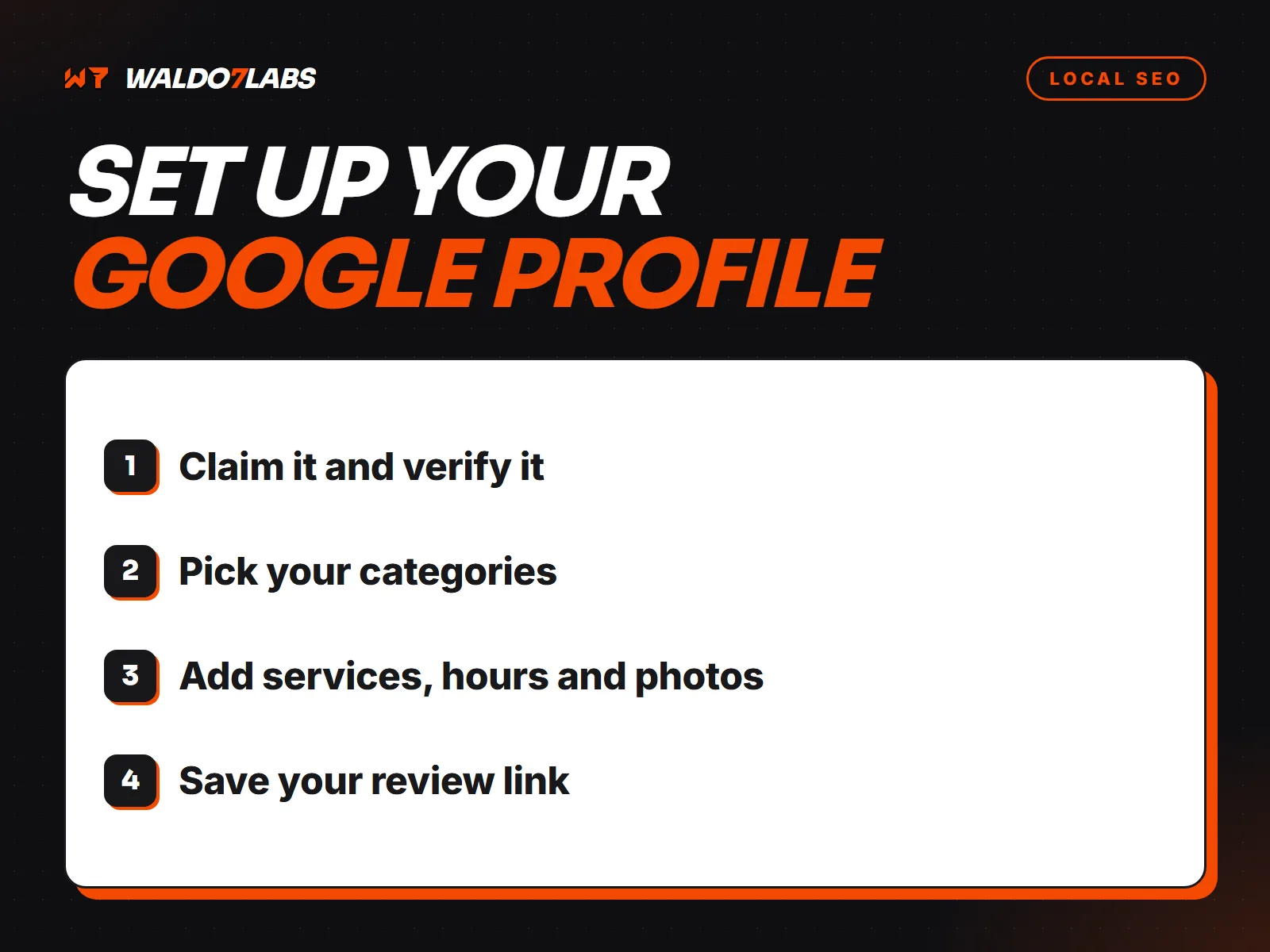
This guide covers what moves you into that block, in the order it matters. If your profile is not set up properly yet, start with the Google Business Profile setup guide and come back.
How Google picks the three
Google says local results are ranked on three things: relevance, distance and prominence.
- Relevance is how well your profile matches what was typed.
- Distance is how far you are from the searcher, or from the town they named.
- Prominence is how well known your business looks, based on reviews, links and mentions around the web.
You cannot change distance. A shop in Lincolnton will rarely beat a Gastonia shop for someone standing in Gastonia. You can change relevance and prominence, and most local businesses have barely touched either.
Your service area does not decide where you show
This is the part that frustrates owners. You serve all of Lincoln County, so you expect to show up across all of it. Google draws results around the person searching, not around the area you listed.
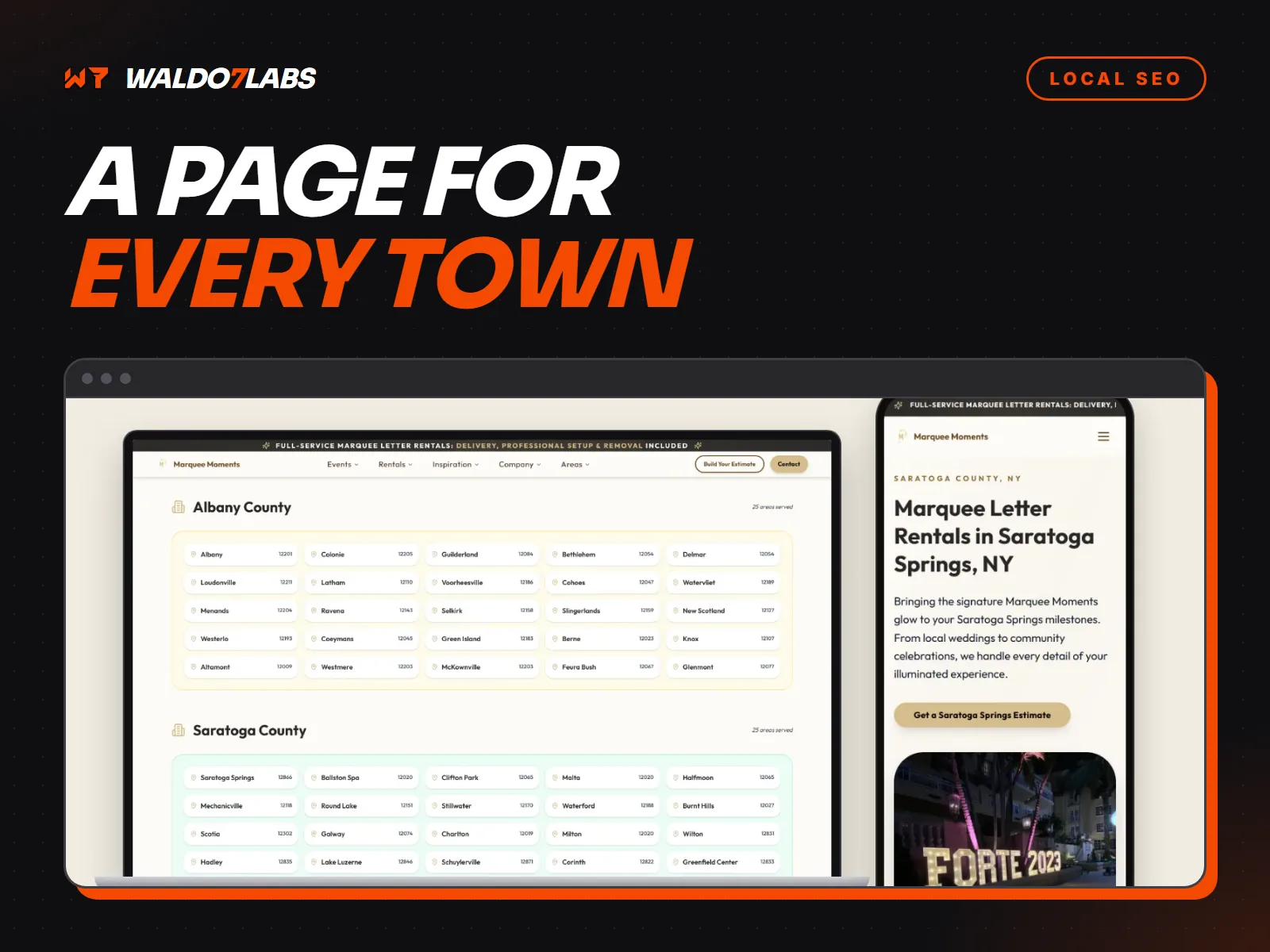
If you are based in Cherryville and want calls from Denver, you need enough prominence to make up for the drive. That is doable. It is won with reviews and real content, not by adding more towns to a list.
Relevance starts with your primary category
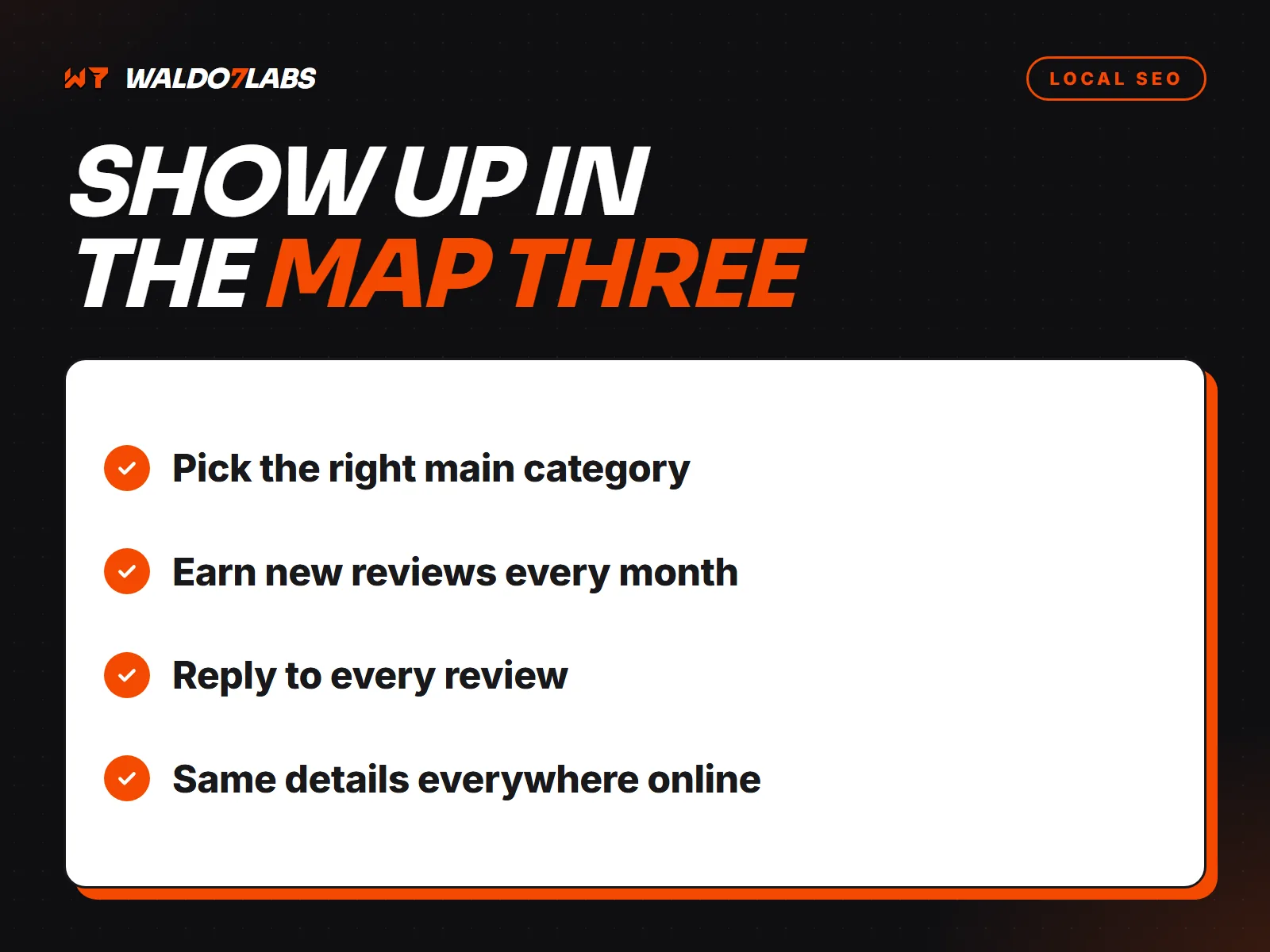
Of everything on your profile, the primary category carries the most weight. "Plumber" and "Plumbing supply store" are different categories that show for different searches. Pick the one that describes what people hire you to do, then add secondary categories for the rest.
Look up whoever holds the top three spots for your main search. Their primary category shows on their profile. If all three use one category and you use another, that is likely your answer.
Your services list and description add to relevance too. Use the words customers use. "Water heater replacement" beats "comprehensive plumbing solutions" every time.
Prominence: reviews you earn every month
Review count matters, and so does a steady pace. A profile that picks up a few reviews every month looks like a busy, real business. A burst of reviews followed by a year of silence looks odd. A pile that shows up overnight looks bought.
Ask the same day
The best moment to ask is when the job is done and the customer is happy. Not a week later by email. Ask right then, and text the direct link before you leave the driveway.
A script that works: "If you were happy with how this went, a Google review really helps a small business like mine. I will text you the link."
Reply to every review
Google's own guide to local ranking tells businesses to respond to reviews. A reply is also a natural place to mention the job and the town, which helps relevance without stuffing anything.
Handle bad reviews calmly
One bad review among thirty good ones does not hurt you. A defensive reply does. Answer in two or three sentences, own the problem, and offer to sort it out by phone. Future customers read your reply more closely than the complaint.
Prominence: the rest of the web
Links and mentions from local places count. The chamber of commerce, a sponsor listing for a youth team, a supplier's dealer list, the local paper. None of these are hard to get, and most of your competitors have not bothered.
Your website plays a part here too. The profile gets you into the map pack. The site decides whether the click turns into a call, and it is what ranks in the regular results under the map. That side is covered in local SEO for your website.
A realistic timeline
Local SEO is slow. Anyone promising the map pack in two weeks is selling something. This is the usual shape of it:
- Weeks 1 and 2: profile finished, categories fixed, review asking starts.
- Weeks 3 to 8: reviews build up, service pages go live, early movement on narrow searches like "emergency plumber Lincolnton".
- Months 3 to 6: movement on the bigger searches. Map pack showings become regular instead of occasional.
- After that: you hold your spot if you keep asking for reviews and keep the profile active. You slide if you stop.
Mistakes that cost rankings
- Keywords in the business name. "Smith Plumbing Best Plumber Lincolnton NC" breaks Google's rules and gets profiles suspended. Competitors do report it.
- A fake address. A rented mailbox in a town you want to rank in is a suspension waiting to happen.
- Buying reviews. Google filters them out, and the profile left behind looks worse than before.
- Going quiet. No new photos, updates or reviews for six months reads like a business that may have closed.
Where to start this week
Fix your primary category. Fill in every empty field on your profile. Ask your next ten customers for a review. Those three things move more local businesses than anything else I do.